
Bike and scooter helmets for riding in the city


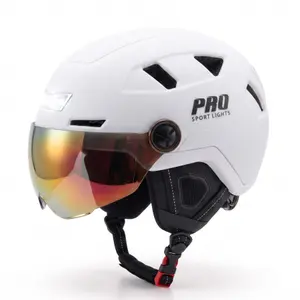
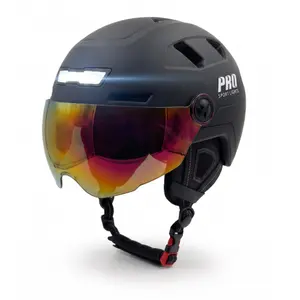


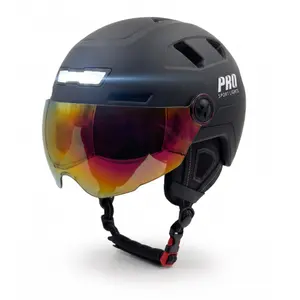
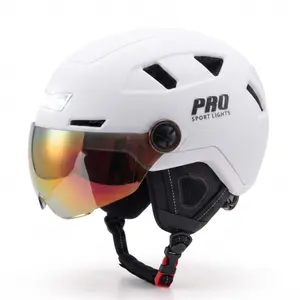


The helmet is the most important protective gear for urban cyclists. It is mandatory for children under 12 years old and strongly recommended for adults. You should choose it based on your head circumference and your use: a simple urban helmet, a connected model with lights and signals, or a child’s helmet in the right size.
Why wear a helmet in the city?
In the city, falls often happen at low speeds, when avoiding a car door, on tram rails, or on a wet road. The head is then exposed: a well-fitted helmet absorbs the impact energy and protects the skull. All bicycle helmets sold in Europe meet the EN 1078 standard, and some go further against oblique impacts.
Which helmet for which use?
For daily commutes, a covering urban helmet, with a visor or lighting, combines protection and discretion. If you ride often at night or in heavy traffic, a connected helmet adds lighting, indicators, and sometimes fall detection. For children, a dedicated helmet, adjustable and colorful, grows with them.
How to choose the right helmet size?
Measure your head circumference with a tape measure, around the middle of your forehead and at the back of your head, then refer to the manufacturer's size chart. The helmet should stay in place when the adjustment wheel is tightened, with the chin strap allowing space for one finger. A helmet that’s too big doesn’t offer proper protection well.
When to replace a helmet?
Replace your helmet after any fall or significant impact, even without visible damage, as the inner foam may no longer provide proper protection. Without an impact, most manufacturers recommend replacing it approximately every five years, as materials degrade with sun exposure and sweat.
Our helmet categories
The urban helmets include models like the bowl-shaped, with visor and MIPS protection. The connected, illuminated, and airbag helmets add electronics and lighting. The children's helmets fit the smallest head sizes, and the helmet accessories offer visors, padding, and helmet covers.
Which helmet brands to choose?
Lazer develops its KinetiCore technology against oblique impacts, from Cityzen urban helmets to the Nutz children's helmets.
Abus equips its urban helmets, like the Hyban 2.0, with an ABS shell and built-in LED lighting.
Crazy Safety, a Danish brand, turns the children's helmet into a fun accessory, with three-dimensional animal shapes.
Giro offers urban helmets and accessories, including a rear light that attaches to their helmets.
Kask combines a molded shell and its WG11 technology, which limits helmet rotation during a fall, for its urban helmets.
Optimiz integrates lighting and indicators into its urban helmets, controlled from the handlebars.
Where to find a discounted helmet?
Helmets from previous collections are gathered in the clearance helmets, and new models are in the new arrivals. Black Friday, holidays, and winter sales are good times to renew a helmet.
Frequently asked questions
Is wearing a helmet mandatory for adults cycling?
No, it is mandatory up to 12 years old, for child riders and passengers. For adults, it is still highly recommended, especially in the city.
Can a bicycle helmet be used on a scooter?
Yes, a bicycle helmet also protects on a scooter. On an electric scooter, it becomes mandatory outside built-up areas.
Is a second-hand helmet a good idea?
It's better to avoid it: you can't know if it has sustained an impact that weakened its foam. A new helmet ensures intact protection.
How to know if my helmet is properly fitted?
The front edge should sit about two fingers above your eyebrows, the straps should form a Y shape under each ear, and the helmet should not move when you shake your head.
Do I need a specific helmet for an electric bike?
For an electrically assisted bike up to 25 km/h, a standard bicycle helmet meeting EN 1078 is sufficient. Only the speed pedelec requires a helmet that complies with a more stringent standard.





