
Bike lighting: see and be seen in the city


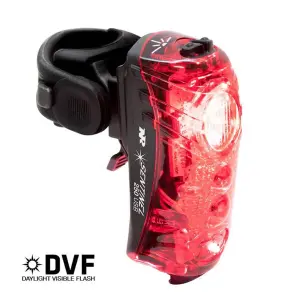




A white or yellow front light and a red rear light are mandatory for riding at night or in poor visibility. In the city, modest lighting is enough to be seen; outside of lit areas, you also need to see the road. Rechargeable via USB, powered by a dynamo or by induction, the lighting should be chosen based on your journeys and your bike.
What does the Highway Code say about lighting?
At night, or during the day when visibility is poor, a bicycle must have a white or yellow front light and a red rear light. These lights are in addition to the mandatory reflectors at the front, the rear, on the wheels, and the pedals. A broken or absent light can result in a fine, but more importantly, it increases the risk of not being seen.
What power is needed for riding in the city?
Under streetlights, the goal is to be spotted: a front light of around 80 to 150 lumens and a rear light of 30 to 50 lumens are more than sufficient. On an unlit cycle path or a greenway, aim for more powerful lights to see the surface and obstacles. A flashing mode during the day attracts attention in heavy traffic.
How to avoid dazzling other road users?
A front light that is too powerful or poorly aimed can dazzle pedestrians, cyclists, and motorists. Lights that comply with the German StVZO standard have a cut-off beam that does not shine upward. If not, tilt your light towards the road, a few meters in front of the wheel.
Battery, dynamo, or induction?
- USB rechargeable: easy to install and remove, it needs to be charged regularly.
- Dynamo: powered by the hub or wheel, it works as soon as you ride, without needing a recharge.
- Induction: magnets attached to the wheel generate power, without contact or battery.
- Connected to the battery of an electric bike: always ready, with no action required.
Our lighting categories
The front lighting includes lights to be seen and headlights to see. The rear lighting includes seat post, rack, and mudguard lights, while lighting kits combine both. Indicators and mirrors can be found in the signalling.
Which lighting brands to choose?
Moon offers USB rechargeable lights like the Meteor, and remote-controlled headlights like the Titan Max.
Herrmans, a Finnish manufacturer, provides headlights for electric bikes and dynamos, including the MR4 and Nordic MR5.
NiteRider offers Lumina front lights and Sentinel and Sentry rear lights.
Cateye offers compact lights, such as the Orb and Omni, as well as replacement clips.
Axa provides dynamo lights for racks and a rear light with a stop light.
Spanninga, a Dutch manufacturer, specializes in dynamo and battery lighting for bicycles and electric bikes.
Where to find bicycle lighting on sale?
Last season's lights can be found in the security and visibility clearance sale, while new products are in the new arrivals. Autumn, with its shorter days, is a good time to equip yourself.
Frequently asked questions
Is lighting required for daytime riding?
It is only mandatory at night or in poor visibility, such as in fog or heavy rain. During the day, a flashing light is still a good way to be noticed.
How long does a lighting battery last?
It depends on the capacity and mode: a flashing mode uses much less power than full beam. Charge it regularly and keep an energy-saving mode for the return journey.
Can you ride with a flashing light at the back?
A flashing mode grabs attention, especially during the day. At night, a steady light or a mode that stays on helps others estimate your distance.
Where should you attach your rear light?
On the seat post, the rack, or the mudguard, ensuring it is clearly visible and not obscured by a bag or coat. Make sure it remains aimed towards the rear.
Is a dynamo lighting system reliable?
Yes, it works as soon as you ride, with no need for a recharge. Recent LED models often keep the light for a few minutes when stopped, which is useful at red lights.





