Ponchos and rain capes for cyclists


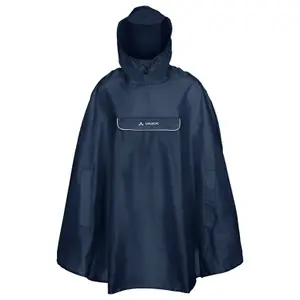


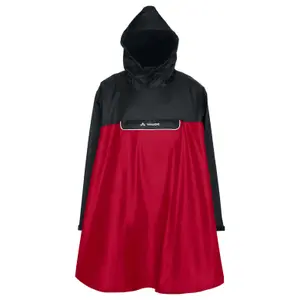


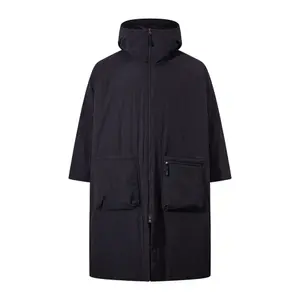
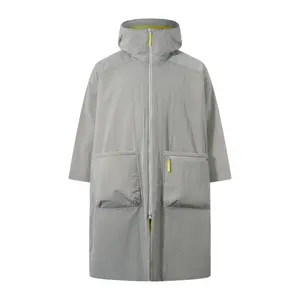


The poncho is the simplest rain protection for urban cyclists: it slips on in seconds over work clothes and covers the torso, thighs and often the backpack. Loose and airy, it makes you sweat less than a closed jacket and can be stored in a bag between downpours.
Why choose a bike poncho?
The poncho protects with one garment what a jacket and over-trousers cover with two. Stretched between the handlebars and your shoulders, it forms a roof over the thighs and allows air to circulate underneath, which reduces sweating. It's particularly suitable for short trips, dressed for the city, on an upright bike.
Poncho or cape?
- The poncho: it goes on over the head, with a hood and often sleeves or openings for the hands.
- The cape: more open, it fastens at the front and can be easily removed when stopped.
- The children's poncho: shorter, it protects younger riders on their bike or in a seat.
How to choose it well?
Check the length, which should cover the thighs without reaching the wheel, and the presence of loops or straps to secure it to the handlebars. A waistband or closure around the waist prevents the wind from lifting it. A hood compatible with the helmet, a peak, and welded seams complete the protection.
How to stay visible with a poncho?
The poncho often covers the bag and reflective clothing. Choose a bright colour and reflective strips on the front, back, and sides. Your lighting should remain clear: ensure that the poncho does not obstruct the front or rear light.
Other rainwear
For a more fitted protection, check out the rain jackets. The rain trousers and over-trousers cover the legs down to the ankles, and shoe covers and gaiters protect the feet. The full selection is in the rain.
Which brands of ponchos to choose?
The Peoples Poncho, a London brand, designs waterproof and breathable ponchos, with reflective strips, a waistband, and internal straps to secure it to the handlebars.
VAUDE, a German outdoor brand, offers the Valdipino and Valero ponchos.
Agu, a Dutch cycling brand, features the Go Grant Essential rain poncho.
Tucano Urbano, a Milanese brand born to protect scooter riders from the rain, offers the Garibaldina poncho with a hood and transport cover.
Spad De Ville, a Grenoble brand, designs the Fulap, a poncho made of recycled polyester that fastens around the handlebars and saddle, like a kayak skirt.
Where to find a poncho on sale?
Ponchos and capes from clearance stock are gathered in the cycling equipment clearance, and the new arrivals are in the new arrivals. A folded poncho fits in a bag all year round.
Frequently asked questions
Is the poncho dangerous in the wind?
A well-secured poncho on the handlebars and tightened at the waist stays in place. In strong wind, a fitted jacket is more comfortable.
Does a poncho cover the backpack?
Most have an extended back or a pocket designed to go over the backpack.
Can you use a poncho on a road bike?
It's better suited for upright bikes. On a road bike, a fitted jacket is more appropriate.
Does the poncho protect the feet?
No, it stops at the knees or calves. Add shoe covers in heavy rain.
How to dry a poncho?
Hang it out unfolded, in the air, before folding it back into its cover.





