Waterproof and breathable cycling rain jackets


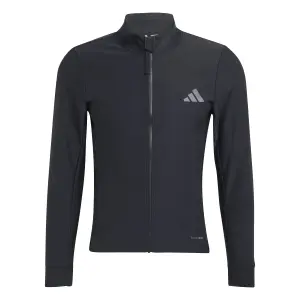
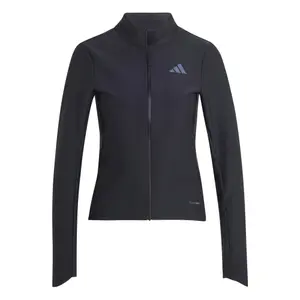


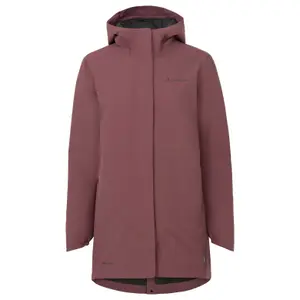


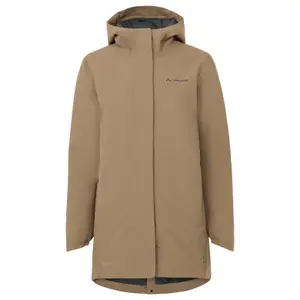
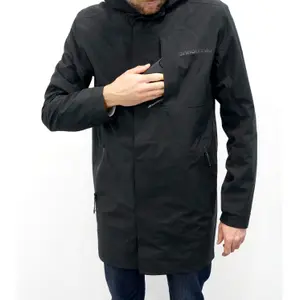
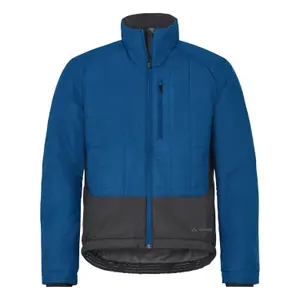
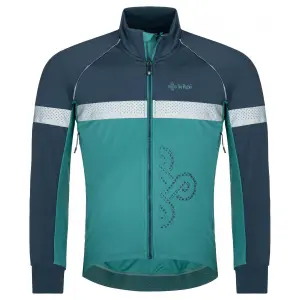


The rain jacket is the first line of defence for urban cyclists against downpours. Waterproof, breathable and well-fitted, it protects without turning the ride into a sauna. Short and sporty, long like a trench for the city, or just a windbreaker for uncertain days, it is chosen based on your routes and style.
How to choose a waterproof jacket for cycling?
A good cycling jacket has three qualities. Its waterproofing, measured in water column, often exceeds 10,000 mm for rain jackets. Breathability prevents that sauna effect, and taped seams stop water from seeping through the stitches. An elongated cut at the back protects your lower back while pedalling.
What details make a difference?
- A hood compatible with a helmet, or removable.
- Ventilation under the arms or in the back to release heat.
- Adjustable cuffs to stop water running down the sleeves.
- Reflective strips and bright colours for visibility.
- A pocket to store the jacket once folded.
Short jacket or long jacket?
The short, sporty jacket follows your movements well and breathes better on long or fast rides. The long jacket, like a trench or parka, can be worn in the city over work clothes and protects the thighs. For light rain, a lightweight water-repellent windbreaker is often enough.
Waterproof jacket in winter?
In winter, wear a warm layer under a waterproof jacket, or choose a thermal jacket that is already lined. A jacket that is too warm can make you sweat quickly: prefer several layers that you can open or remove depending on the effort and temperature.
Other rain clothing
To cover your legs and the bag, check out ponchos and capes. Rain trousers and overtrousers protect the legs, and shoe covers and gaiters protect the feet. The whole selection is in the rain.
Which brands of waterproof jackets to choose?
Elite Lab offers the Elite X1 range of waterproof, windproof, and thermal jackets for men and women.
Silvini, a Czech cycling clothing brand, offers waterproof jackets like the Vetta and Gela.
Agu, a Dutch cycling brand, offers the Go Essential, Tech Commuter, and city jackets for women, like the City Slicker and a trench coat.
Tucano Urbano, a Milanese brand for urban two-wheelers, offers the Nano Rain jackets, including a version with ventilation and reflective inserts.
VAUDE, a German outdoor brand, has waterproof jackets like the Escape and the Matera Air.
Where to find a waterproof jacket on sale?
End-of-line waterproof jackets are gathered in the discounted cyclist equipment, and the new collections are in the new arrivals. Check the size guide to wear a layer underneath.
Frequently asked questions
What water column for a cycling jacket?
Starting from around 1,300 mm, a fabric is considered waterproof. To ride in heavy rain, aim for 10,000 mm or more.
Is a waterproof jacket necessarily breathable?
No, check the breathability index and the presence of ventilation, especially for long distances.
Does the hood fit under the helmet?
Some hoods are designed to be worn under or over the helmet; others are removable.
How to restore a jacket's waterproofness?
Wash it without fabric softener, then apply a waterproofing product when the water no longer beads.
What size to choose?
Choose a size that allows for a warm layer underneath and lets you reach for the handlebars without pulling.





